
The Free Trial That Quietly Becomes a Bill: When Car Features Just Stop Working
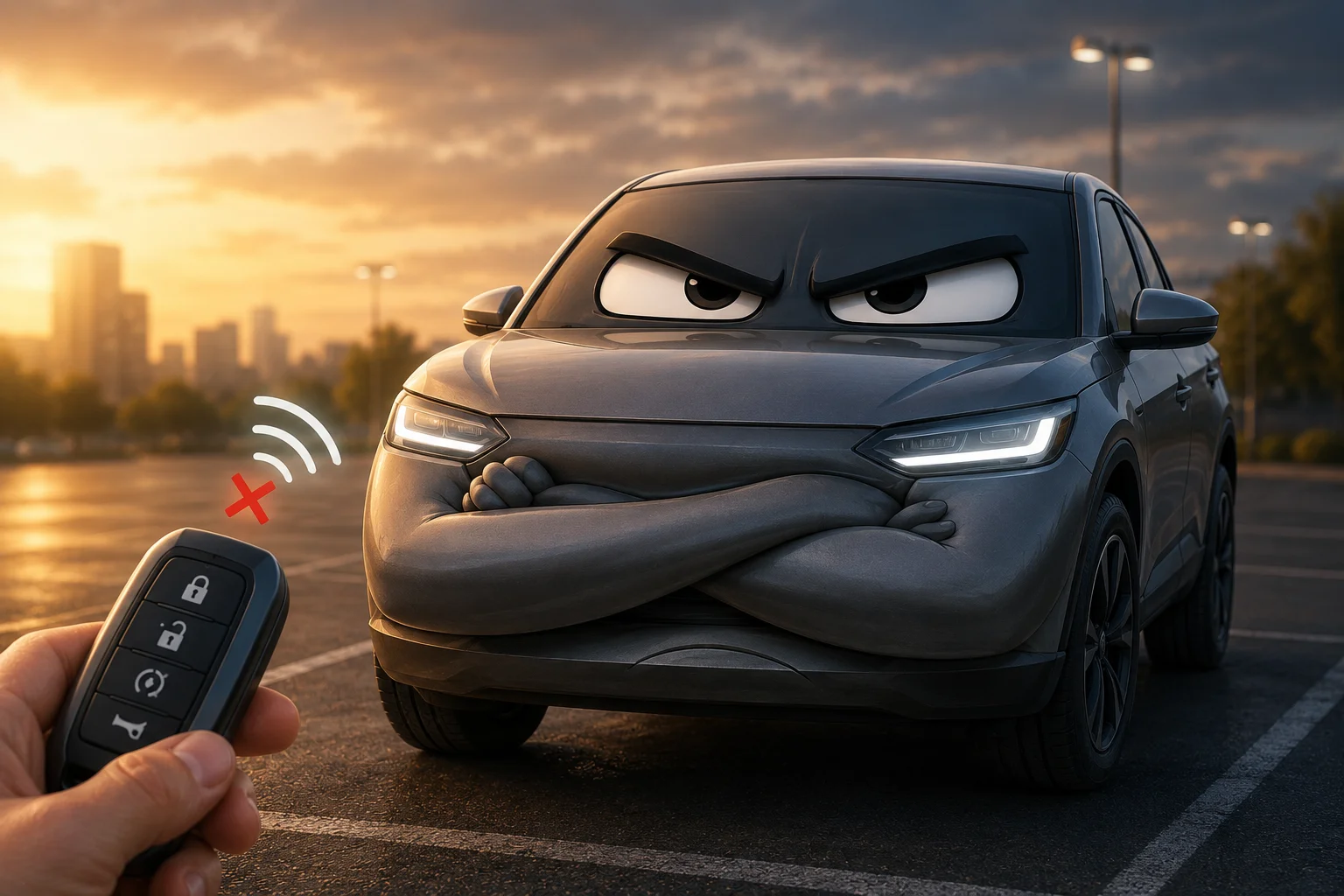
You bought the car. You own the hardware. The remote start works, the app unlocks your doors from across the parking lot, and the navigation pulls in live traffic. Then, a few months in, the magic stops. The app throws an error, remote start goes dark, and a polite notification informs you that your "trial period has expired." Welcome to one of the most aggravating quirks of buying a new car in 2026: features that work great right up until the automaker decides you should start paying for them.
How it happens
The pattern is consistent across brands. A new vehicle ships with a bundle of "connected services" active for free, then the clock runs out. Toyota's 2026 connected services lineup spells it out plainly: once each trial period expires, enrollment in a paid subscription is required to keep using the service, and trials begin the day you buy or lease. Stellantis brands using SiriusXM Guardian follow the same script, where remote start, roadside assistance calls, and sending destinations to the nav screen all depend on an active trial or paid plan. Let it lapse, and those functions simply turn off.
What makes this so irritating is that nothing physically broke. The hardware is sitting right there in your dashboard. As one repair shop bluntly put it, if you stop paying, some features may stop working even though the physical components are still installed in your car. You're not losing access to a remote server somewhere; you're losing access to the car you already paid for.
The trial lengths are all over the map
Part of the confusion is that no two automakers agree on how long the honeymoon lasts. Trial windows can range from six months up to five years depending on the brand and the specific package. Some safety and security packages stretch to ten years, while convenience features like remote start or Wi-Fi might expire in three months. Owners are left juggling multiple countdown clocks for a single car, often without realizing it, because the features all work identically whether they're free or about to expire.
The test-drive trap
The most common way drivers get burned is during the sale itself. A salesperson demonstrates the app, starts the car from across the lot, shows off the slick navigation, and the buyer reasonably assumes all of it comes with the car. Industry guides for 2026 warn about exactly this: a buyer may assume an app is free because it was demonstrated during the test drive, only to learn later that the free period ended and the feature now requires payment. By then the car is bought, the trial is ticking, and the "feature" has quietly become a line item.
What actually stops working
The features most likely to go dark are the connected ones: remote start and remote lock/unlock through the phone app, vehicle status checks, send-to-car navigation, live traffic, concierge services, in-car Wi-Fi hotspots, and premium streaming. Mazda, for instance, notes that without an active data connection its app's remote start, lock/unlock, vehicle status, and send-to-car functions stop operating. Critically, many basic functions keep working — you can still drive the car, use the key fob, and listen to the radio — which is exactly why the cutoff catches people off guard. It's the convenience layer that evaporates.
Why automakers keep doing it
The reason is no mystery: recurring revenue. Instead of earning money only once at the point of sale, automakers can generate income for the life of the vehicle, treating the car more like a smartphone with a data plan. The math rarely favors the owner. A feature that might once have cost a few hundred dollars upfront can add up to thousands over the years when billed monthly.
The bottom line
Free trials on car features aren't inherently evil — some, like stolen-vehicle tracking or emergency assistance, are reasonable services. The annoyance is the lack of transparency. Before signing, ask exactly which features are permanent, which are trials, how long each trial lasts, and what stops working when they end. Treat a 2026 car purchase like signing up for a phone plan and a vehicle at once. Otherwise, the feature that sold you on the car may be the one that disappears first.
All Access Pass
Know what you're buying before you sign
Full annoyance reports for every vehicle — subscription traps, privacy issues, forced nags, and the stuff dealers won't mention.
- Detailed reports for all vehicles in our database
- Side-by-side comparisons across up to 4 vehicles
- Premium articles and analysis
- No auto-renewal — one payment, 3 months of access
Related Articles
Your Next Car Is a Computer. Washington Just Decided Whose Computer Counts.
If you have shopped for a new car in the last year, you have already met the issue, even if nobody used the words “Connected Vehicle Rule.” The salesman talked about the app that starts the car from the grocery lot, the subscription that keeps the maps fresh, the hands-free highway system that wants a camera on your eyes. All of that travels over a modem. That modem is why Polestar is leaving the U.S. market after the 2026 model year, why Volvo got a pass from the same parent company, and why Ford and GM are in a quieter fight with their own customers over insurance data.
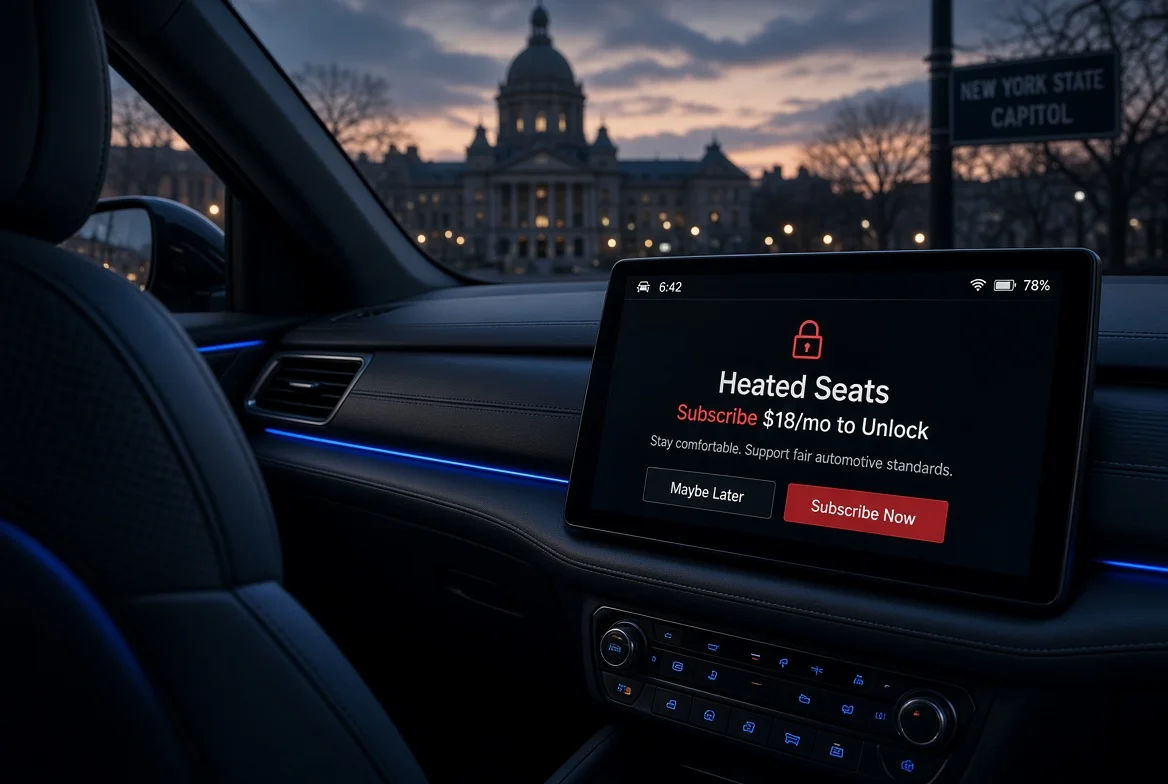
Is Help on the Way for Car Feature Subscriptions?
Last year, New York came closer than any other state to drawing a hard line against one of the most straightforward post-purchase annoyances in modern cars: charging recurring fees for hardware already installed at the factory.
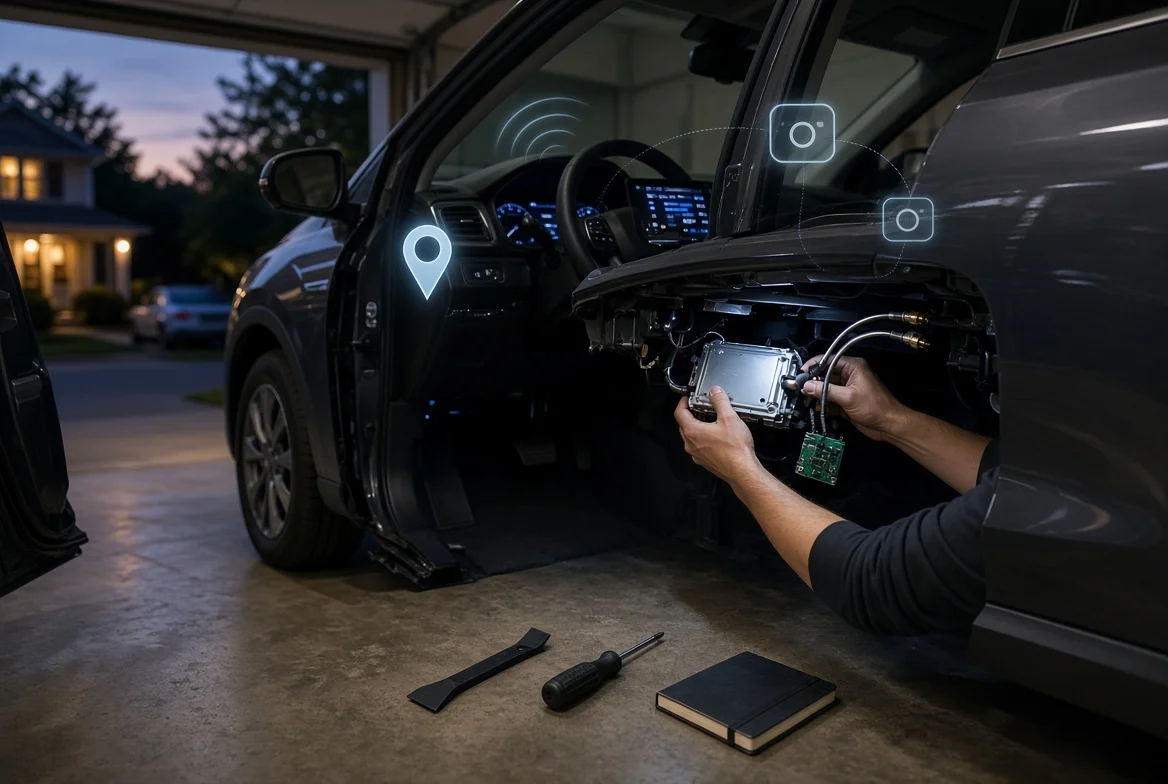
If You Care About Privacy and Subscriptions, Prepare to Get Under the Dash
Modern cars come loaded with features that used to be free or optional and are now locked behind monthly fees, always-on data collection, and systems that can’t easily be turned off. Location tracking, driving-behavior data, cabin cameras, and microphones are common. Heated seats, remote start, advanced driver-assistance functions, and even basic navigation can require ongoing subscriptions.