
If You Care About Privacy and Subscriptions, Prepare to Get Under the Dash
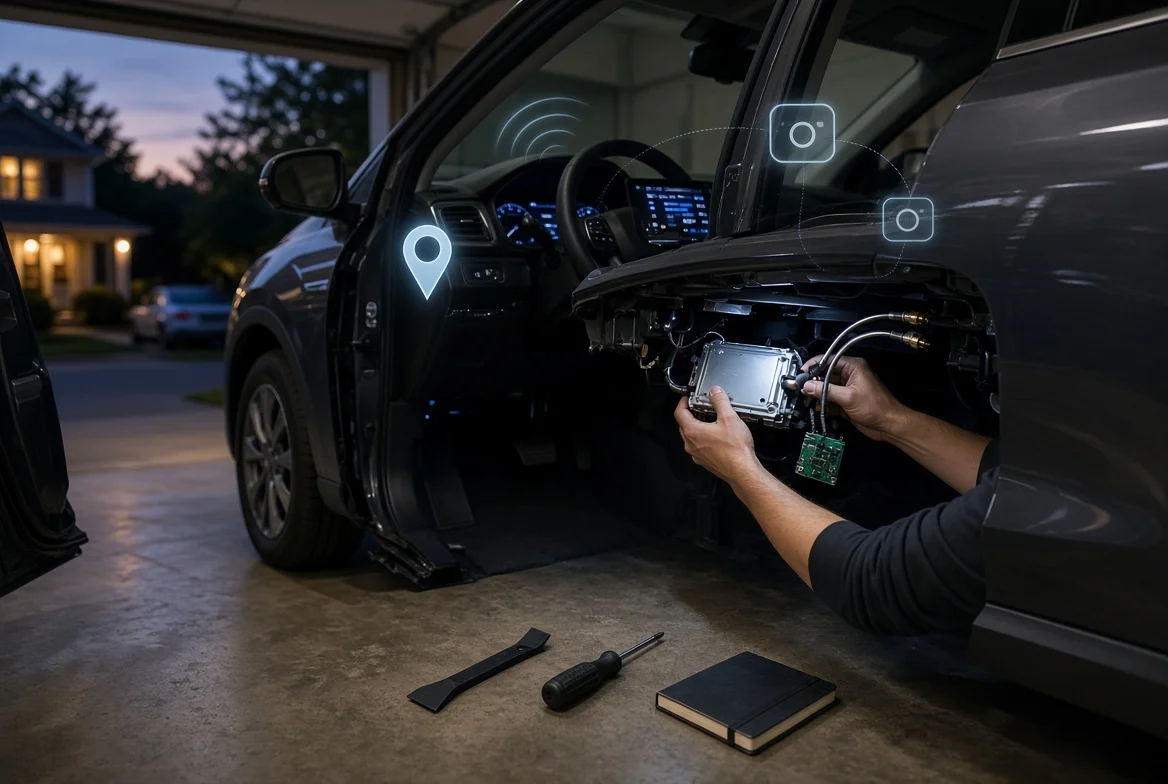
Modern cars come loaded with features that used to be free or optional and are now locked behind monthly fees, always-on data collection, and systems that can’t easily be turned off. Location tracking, driving-behavior data, cabin cameras, and microphones are common. Heated seats, remote start, advanced driver-assistance functions, and even basic navigation can require ongoing subscriptions. Many of the alerts and nags that owners find most irritating have no permanent off switch.
Most buyers accept the trade-offs for convenience. A smaller but growing group does not. When the menus, apps, and customer-service calls fail to deliver real control, these owners start modifying the car itself.
What owners are actually doing
The most common hardware intervention is targeting the telematics module—the box that handles cellular connectivity, GPS, and data transmission. On many late-model Chevy Silverado and GMC Sierra trucks, owners report removing it in about ten minutes: two Torx screws, two antenna plugs, and the module lifts out by hand. The truck still runs. Automatic crash notification and some remote features are lost, but the continuous uplink ends. Similar reports appear for Ford trucks and SUVs, Toyota RAV4s, Honda Claritys, RAMs, and Cadillacs. Some owners leave the module in place and simply disconnect the cellular and GPS antennas (often adding 50-ohm terminators to avoid fault codes). Others pull the dedicated fuse.
A 2024 Toyota RAV4 Hybrid owner documented a more complete approach: full removal of the data communication module and built-in GPS, plus a bypass harness so the cabin microphone still worked. He also avoided Bluetooth in favor of wired CarPlay because the car could otherwise continue sending data through a paired phone. Lost features included over-the-air updates, SOS calling, and cloud services.
Tesla owners face always-on LTE and cabin cameras. Projects such as CarCloak add relays and a physical button that lets the driver disconnect the cellular and Wi-Fi antennas on demand without permanent damage. Others have used small doll heads positioned in front of the driver-monitoring camera to silence attentiveness nags. Aftermarket camera covers that look factory-installed are available for several brands; ordinary tape often works on current systems and causes the car to treat the camera as failed, disabling only certain advanced driver-assistance features.
Software-level workarounds also circulate. Some owners use diagnostic tools and security-gateway bypasses to rewrite module settings so the car stops looking for subscription-gated hardware or nagging systems. These approaches are less permanent and more model-specific, but they address the same underlying complaint: features that were paid for once are now gated or monitored by the manufacturer.
The real trade-offs
These modifications are not free. Automatic emergency calling, remote start and unlock, some navigation functions, and over-the-air updates frequently disappear. Fault codes or warning lights may appear. Warranty coverage on related systems can be affected, and manufacturers do not support the changes. In a few vehicles the telematics hardware is so deeply integrated that complete removal risks broader electronic issues.
What owners gain is closer control. Continuous location and behavior reporting stops. Subscription-gated features can sometimes be restored or made permanent. Nagging systems that have no factory off switch can be quieted. For people who view the modern connected car as a combination of surveillance appliance and recurring-revenue product, the exchange is acceptable.
What this means for buyers
If privacy, subscription lock-in, or non-disableable nags rank high on your list, factor the extra labor and risk into the purchase decision. Research the specific model’s telematics module location, subscription structure, and owner-reported workarounds before you buy—accessibility and effectiveness vary dramatically by year and platform. Prefer vehicles where the hardware is discrete and relatively easy to reach, or where critical features are not subscription-dependent. Consider older, less-connected cars if your needs allow it. When you must buy new or recent, plan for the physical or software steps rather than trusting menu settings alone. Document everything, keep the original parts, and understand that you are operating outside the manufacturer’s intended design.
Most buyers spend hours comparing horsepower, cargo space, and fuel economy. Very few spend even five minutes understanding what information the vehicle will collect, which features will later require payment, or how difficult those systems are to limit. That may be one of the more important areas to research before signing the paperwork. Soft opt-outs and privacy policies have not stopped the data flow or the subscription model for many owners. The people who care enough to act are treating the problem as both a hardware and a control issue. If you share their concerns, you should expect to do the same.
All Access Pass
Know what you're buying before you sign
Full annoyance reports for every vehicle — subscription traps, privacy issues, forced nags, and the stuff dealers won't mention.
- Detailed reports for all vehicles in our database
- Side-by-side comparisons across up to 4 vehicles
- Premium articles and analysis
- No auto-renewal — one payment, 3 months of access
Related Articles
Your Next Car Is a Computer. Washington Just Decided Whose Computer Counts.
If you have shopped for a new car in the last year, you have already met the issue, even if nobody used the words “Connected Vehicle Rule.” The salesman talked about the app that starts the car from the grocery lot, the subscription that keeps the maps fresh, the hands-free highway system that wants a camera on your eyes. All of that travels over a modem. That modem is why Polestar is leaving the U.S. market after the 2026 model year, why Volvo got a pass from the same parent company, and why Ford and GM are in a quieter fight with their own customers over insurance data.
Is Help on the Way for Car Feature Subscriptions?
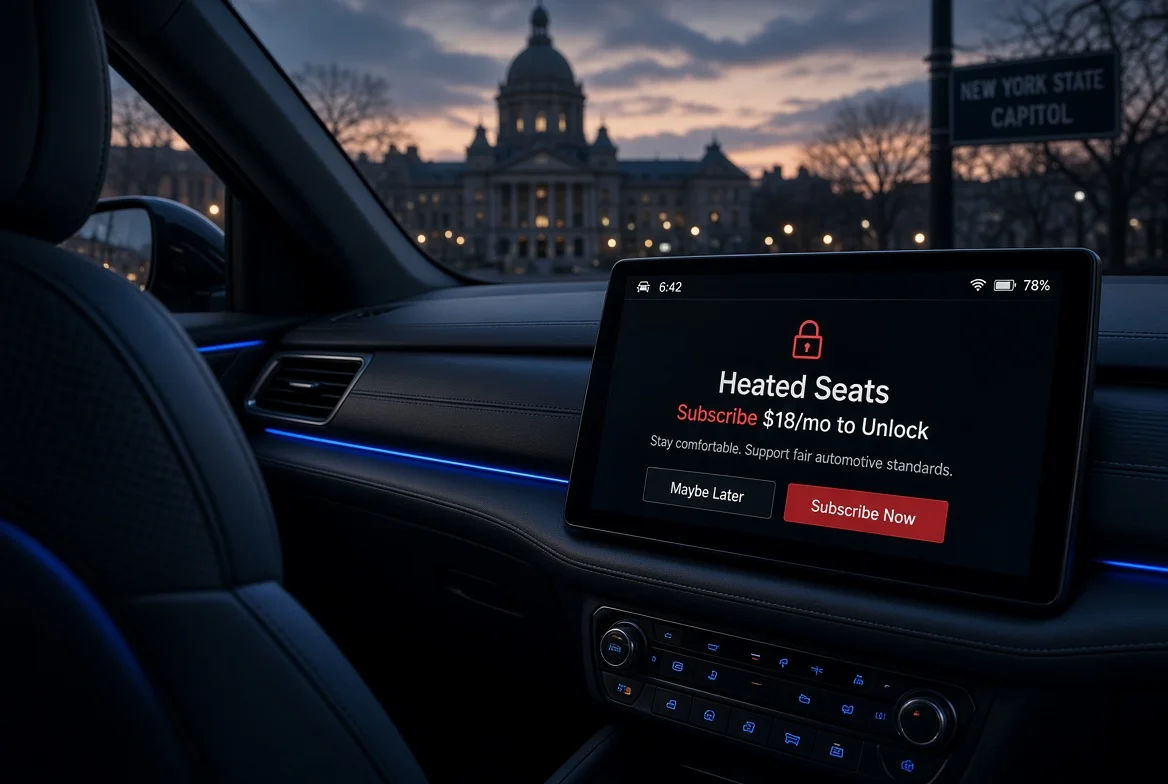
Last year, New York came closer than any other state to drawing a hard line against one of the most straightforward post-purchase annoyances in modern cars: charging recurring fees for hardware already installed at the factory.
Can You Really Stop Your Ford From Tracking You?
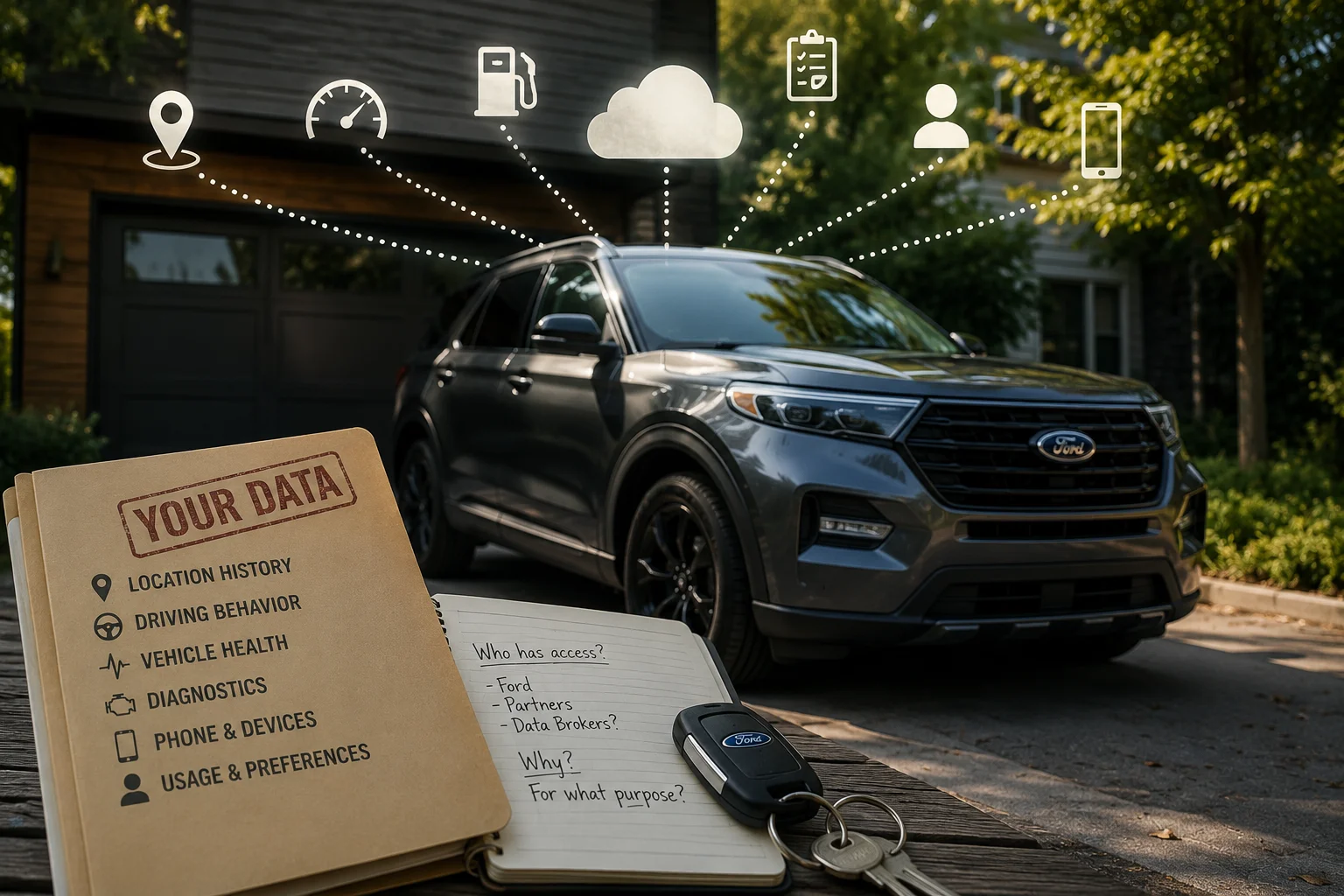
Modern Fords are computers on wheels. They know where you've been, how you've driven, when you brake hard, what warnings have appeared on the dashboard and, if you use connected services, information about your phone and how you interact with the vehicle.