
Can You Disable the Seatbelt Chime on a Toyota RAV4?
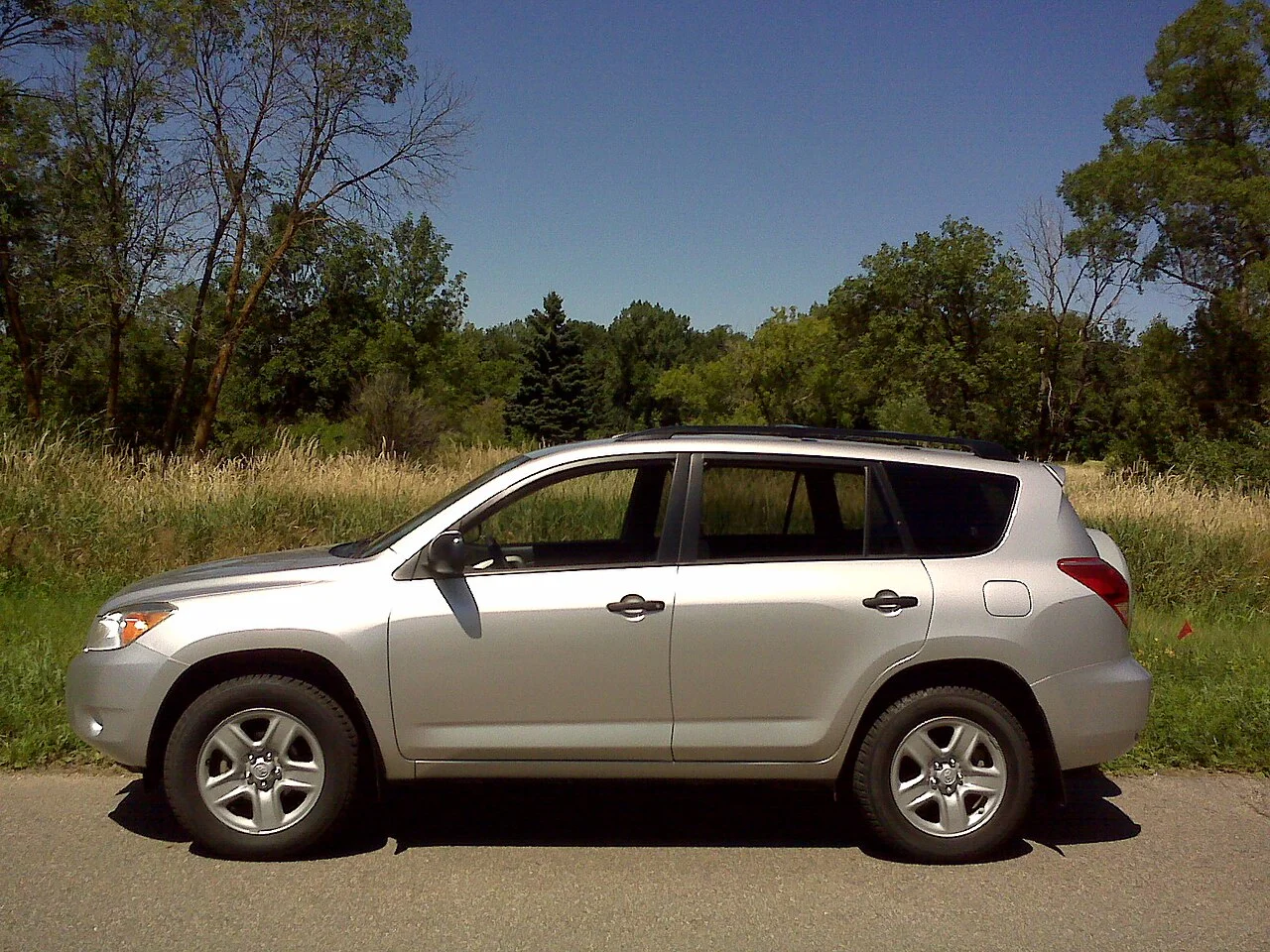
You just picked up your new Toyota RAV4. You're excited, the new car smell is intoxicating, and then — ding ding ding ding ding. The seatbelt chime kicks in, and it is relentless. If you've found yourself Googling this at 11pm out of sheer frustration, you're not alone. It's one of the most common complaints from new RAV4 owners, and the answer to whether you can silence it is: yes, but it depends on your model year and how far you're willing to go.
Here's everything you need to know.
Why Is the Chime So Aggressive?
Toyota, like most automakers, is required to include a seatbelt reminder system under federal safety standards. But there's no law dictating how annoying it has to be. Toyota has chosen to err on the side of persistent, and the RAV4's chime is among the more grating in the industry — loud, rapid, and seemingly designed by someone who has never been stuck in a parking lot unloading groceries.
Here's something most new owners don't realize until it's too late: it's not just the front seats. The RAV4 also monitors rear seat occupancy and will chime if back seat passengers aren't buckled up. Helpful in theory. Infuriating when you've placed a gym bag on the seat or your dog has decided the back is their domain.
Wait — Is a Rear Seat Chime Even Normal?
Actually, Toyota is ahead of the curve on this one. Right now, rear seatbelt chimes are not federally required in the United States — but they're coming. In December 2024, the NHTSA finalized a rule mandating that all new cars and light trucks sold in America must have rear seat seatbelt warning systems by September 2027, effectively making it standard on 2028 model year vehicles.
Europe has already been living with this requirement since 2019. Since Toyota engineers to global standards, RAV4 buyers in America are getting a preview of what every new car buyer in the country will be dealing with in a couple of years. You're not unlucky — you're just early.
The Built-In Method (2019 and Newer RAV4s)
Good news for owners of newer RAV4s: Toyota added a setting that lets you reduce — though not fully eliminate — the seatbelt reminder through the infotainment system.
Here's how to access it:
Make sure the vehicle is in Park with the engine running.
Tap Settings on the touchscreen.
Go to Vehicle Settings (sometimes listed as Vehicle).
Look for Seatbelt Reminder or Driver Attention Monitor settings.
You may find options to toggle the reminder chime or adjust its behavior.
The catch? Toyota only lets you disable the visual reminder on some trims, while the audible chime stays active. On others, you can reduce the duration. It's not a full off switch, but it's a start. If you don't see these options, your trim level may not support it — or you may need a software update from your dealer.
The Classic Buckle Trick
This one's been around for decades and works on virtually every RAV4. Simply buckle the seatbelt behind you before you sit down, then sit on top of the buckled belt. The car thinks you're buckled up, the chime stays quiet, and you go on with your life.
Is it a good habit? No. Is it useful for those times you're moving the car 30 feet in your driveway or sitting stationary in a drive-through? Many owners think so. Just don't make it a road-driving habit — the chime exists for a reason.
The OBD-II Method (For the Technically Inclined)
Some RAV4 owners have had success using an OBD-II diagnostic tool combined with Toyota-specific software to toggle the seatbelt warning chime off entirely. Two tools worth knowing about:
Techstream — the same software Toyota dealerships use. It gives you deep access to body control settings, including seatbelt chime toggles. You can buy a compatible cable online and run it from a laptop.
OBD Eleven — a popular third-party alternative that's more user-friendly. Notably, it lets you silence the chime on a per-seat basis, which means you can kill the rear middle seat alert (the one triggered by a backpack or a dog) while leaving the others active. That's a level of precision the factory menu doesn't offer.
Both involve plugging a device into your car's OBD-II port, typically located beneath the steering column. A word of caution: change only the settings you understand. Some owners have had dealers do this for them — though plenty will refuse, citing liability concerns.
What About Aftermarket Seatbelt Clips?
You've probably seen the little plastic clips sold online that plug into the seatbelt buckle to fool the sensor. They work. They're cheap. They also completely bypass the seatbelt reminder system, which means you'll get zero warning if a passenger forgets to buckle up. Use your judgment here.
The Bottom Line
The RAV4's seatbelt chime — front and rear — is one of those small-but-maddening discoveries that new owners make fast. Toyota isn't being uniquely cruel; they're simply ahead of a federal mandate that will bring the same experience to every new car sold in America by 2028. Your best options are the built-in settings menu if your trim supports it, OBD Eleven for surgical per-seat control, or Techstream for a full deep-dive. A simple, permanent, out-of-the-box off switch? Toyota hasn't given us that yet — and soon enough, neither will anyone else.
Always prioritize safety. These methods are shared for informational purposes, particularly for stationary or low-speed private property use cases.
All Access Pass
Know what you're buying before you sign
Full annoyance reports for every vehicle — subscription traps, privacy issues, forced nags, and the stuff dealers won't mention.
- Detailed reports for all vehicles in our database
- Side-by-side comparisons across up to 4 vehicles
- Premium articles and analysis
- No auto-renewal — one payment, 3 months of access
Related Vehicle
2026 Toyota RAV4
Related Articles
Your Next Car Is a Computer. Washington Just Decided Whose Computer Counts.
If you have shopped for a new car in the last year, you have already met the issue, even if nobody used the words “Connected Vehicle Rule.” The salesman talked about the app that starts the car from the grocery lot, the subscription that keeps the maps fresh, the hands-free highway system that wants a camera on your eyes. All of that travels over a modem. That modem is why Polestar is leaving the U.S. market after the 2026 model year, why Volvo got a pass from the same parent company, and why Ford and GM are in a quieter fight with their own customers over insurance data.
Is Help on the Way for Car Feature Subscriptions?
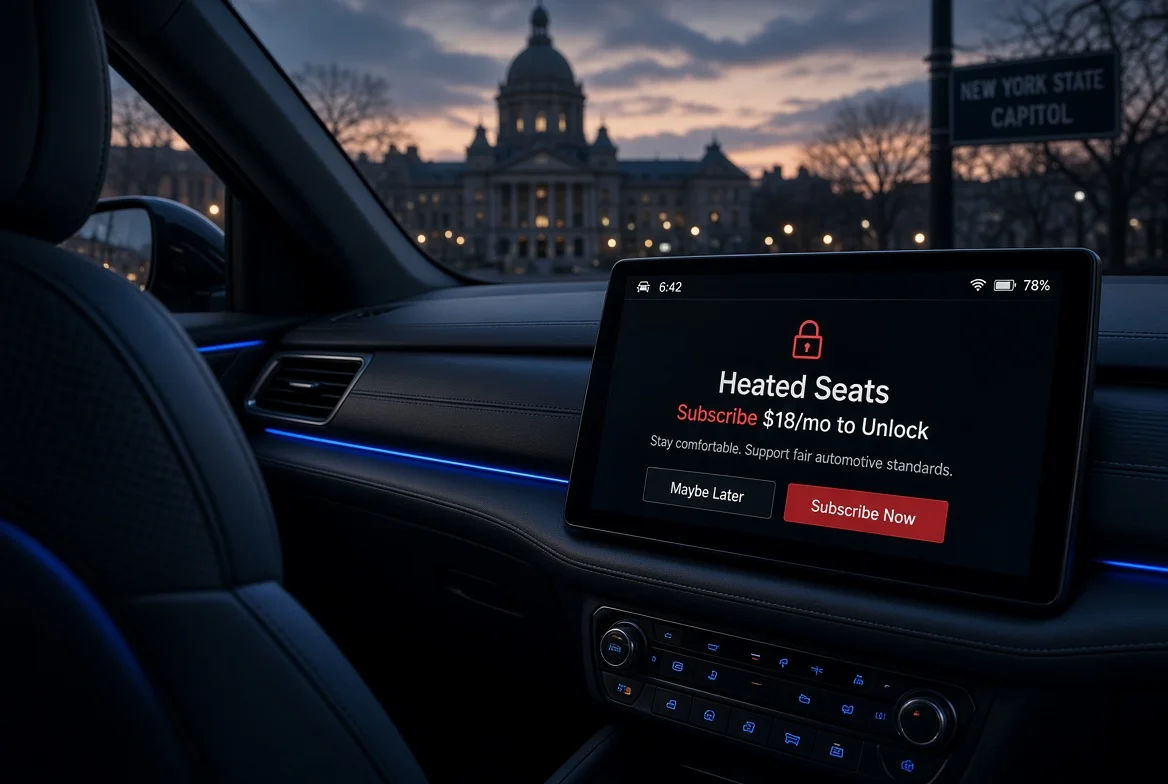
Last year, New York came closer than any other state to drawing a hard line against one of the most straightforward post-purchase annoyances in modern cars: charging recurring fees for hardware already installed at the factory.
If You Care About Privacy and Subscriptions, Prepare to Get Under the Dash
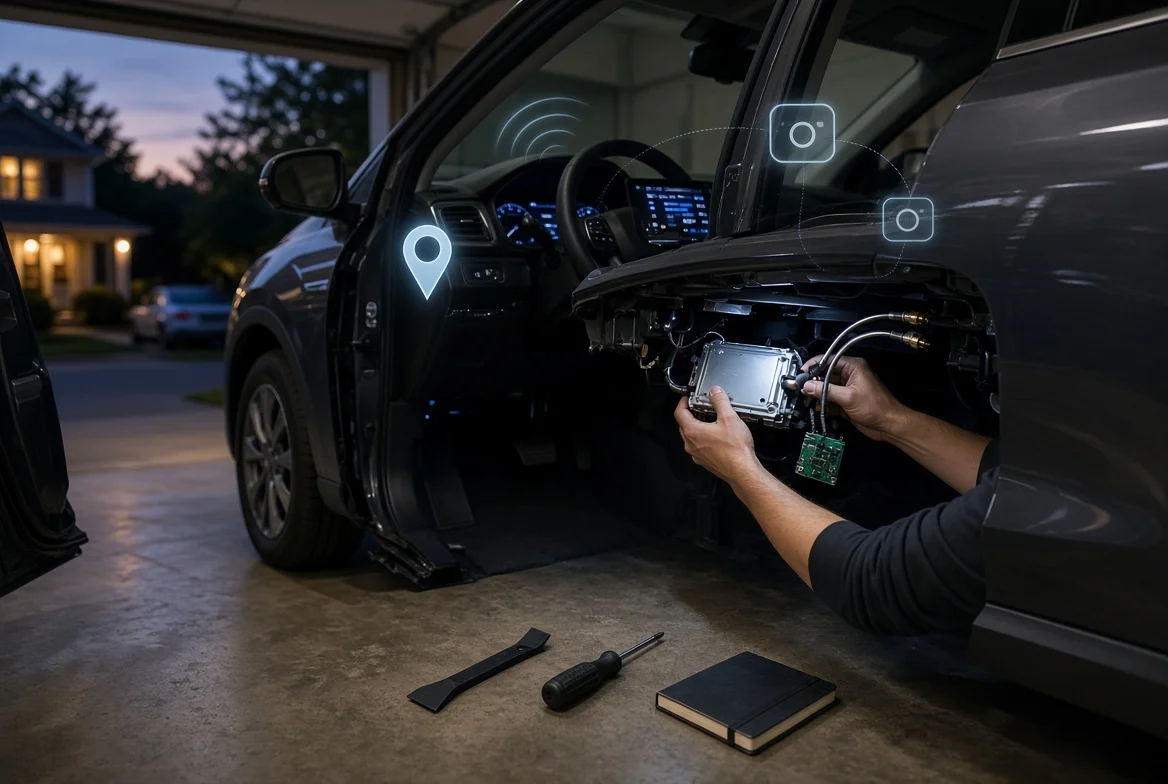
Modern cars come loaded with features that used to be free or optional and are now locked behind monthly fees, always-on data collection, and systems that can’t easily be turned off. Location tracking, driving-behavior data, cabin cameras, and microphones are common. Heated seats, remote start, advanced driver-assistance functions, and even basic navigation can require ongoing subscriptions.