
When Your Dashboard Won't Shut Up: The Most Annoying Chimes in 2006 Cars
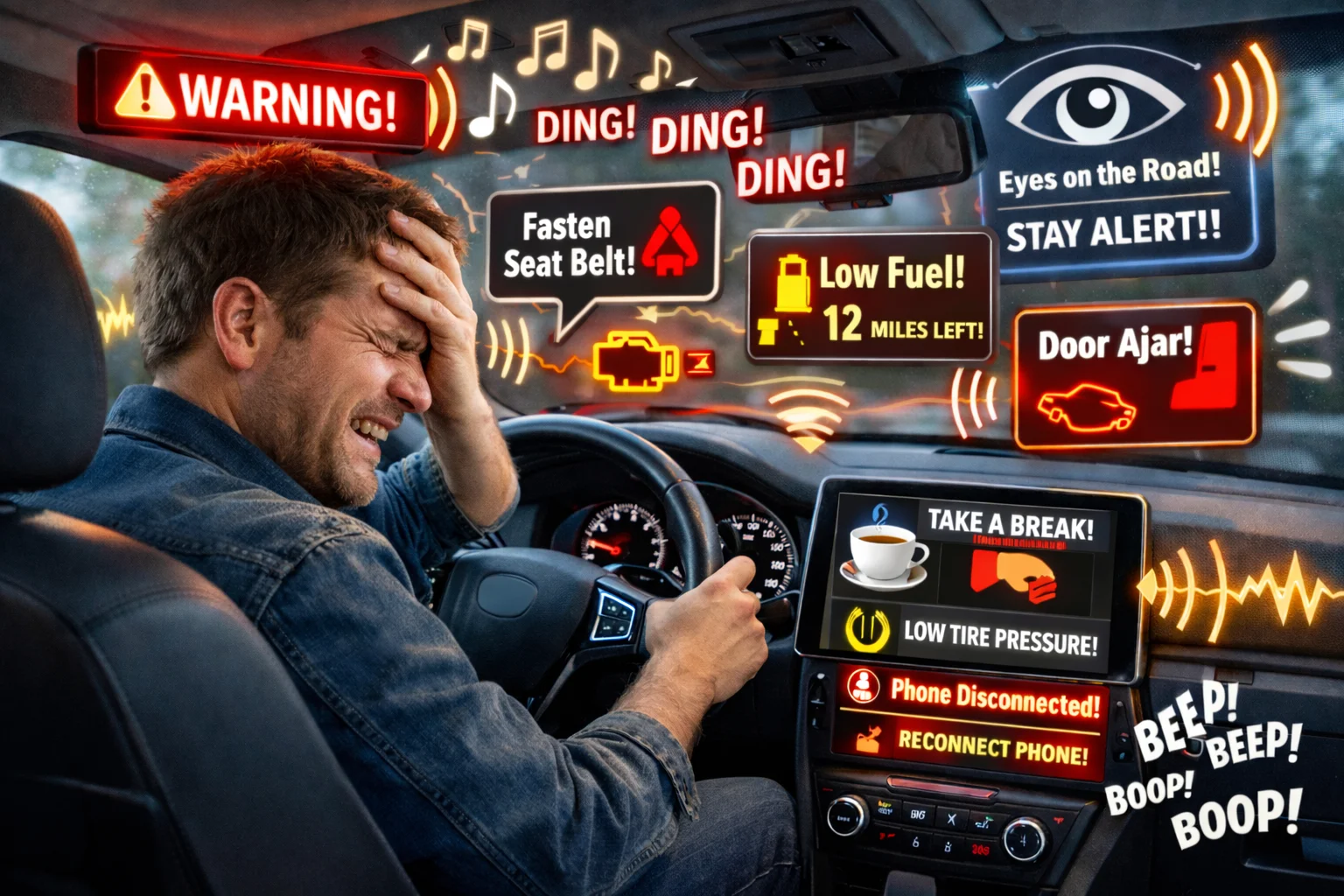
You hop into your 2006 daily driver, buckle up (or not), and the beeping starts. Or the door is closed but the chime insists it isn't. Or the maintenance light nags you for an oil change you just did. In the mid-2000s, electronic reminders were becoming more common as automakers added safety features and convenience systems. For many owners of 2006 model-year vehicles, those chimes crossed the line from helpful to infuriating.
Here's a breakdown of the most commonly complained-about electronic nags from that era, based on owner forums, service bulletins, and discussions from the time. Note that "worst" is subjective — loudness, persistence, frequency, and difficulty disabling all played roles.
1. Seatbelt Nags — Extended or Persistent Chiming
Federal rules mandated seatbelt reminders, but how manufacturers implemented them varied widely. Many drivers reported chimes that continued well beyond the initial warning, especially if the system detected weight on the passenger seat from something as light as a purse or backpack.
Subaru models (e.g., 2006 Impreza, Outback, Forester): Frequently cited for a sensitive, relentless seatbelt chime. The alert would typically begin around 30 seconds after startup if the belt was unbuckled, and it would not stop on its own. Many owners turned to the unofficial "20-click" workaround — buckling and unbuckling the seatbelt exactly 20 times within 30 seconds with the ignition in the On position (engine off). This could permanently suppress the persistent chime, though it reset if the battery was disconnected, and results varied based on timing.
Ford trucks and SUVs (e.g., 2006 F-250, Explorer, Super Duty): Ford's "Belt-Minder" system was notorious for prolonged, repeating warnings. Once triggered, it would sound for six seconds every 30 seconds for up to five minutes. Disabling it required a multi-step sequence: with the engine off and the ignition in Run, owners had to buckle and unbuckle the belt nine times, then toggle the headlights, then complete a final buckle-unbuckle cycle — all within a narrow time window. Some owners found it easier to visit a dealer with an OBD scanner.
Toyota/Lexus and Honda/Acura: Toyota Corolla and RAV4 owners frequently sought disable methods. Honda Accord and Odyssey had similar complaints. Some Acura TL owners reported chimes firing as often as every 15 seconds if the belt wasn't fastened.
General Motors (e.g., 2006 Pontiac G6): Reports surfaced of chimes activating even when belts were buckled, usually traced to faulty buckle switches or sensing modules.
2. Door Ajar Chimes — Alerts Even When Doors Are Closed
Faulty door jamb switches were a widespread problem in this era, causing false "door ajar" lights and chimes that cycled on and off with no clear trigger.
Ford models (2006 Taurus, Ranger, Freestar minivan, Explorer): Intermittent door ajar chimes and dome lights staying on were a common complaint. Fixes typically involved cleaning the door jamb switches or addressing underlying grounding issues.
GM and Chrysler vehicles had similar problems with dirty or worn switches triggering repeated false alerts.
These weren't intentional "nag" features — they were reliability glitches. But owners found them just as maddening, since no manual procedure could silence a broken sensor.
3. Maintenance Reminders — Alerts That Can't Be Easily Dismissed
Several brands introduced or refined maintenance reminder systems around this time.
Toyota (2006 models with Maintenance Minder): Some owners found the system triggered earlier than they expected based on their actual driving habits, and resetting it fully required a specific multi-step sequence that wasn't always clearly explained in the owner's manual.
BMW and Mercedes (2006 3-Series, E-Class, etc.): Service interval reminders could feel insistent. Luxury brands often allowed dealer-level adjustments, but that meant a trip to the shop just to silence a light.
These systems were generally less chime-heavy than seatbelt alerts but still drew complaints when they couldn't be easily snoozed.
4. Speed Warning Chimes and Lane Departure Warnings
Speed-limit-based audible warnings or lane departure systems were not standard — or even optional — on most 2006 U.S. vehicles. A small number of high-end models had optional overspeed alerts, but they were uncommon. Lane departure warning had only just arrived in the U.S. market: it debuted on the Infiniti FX35 for the 2005 model year, making it a brand-new and extremely rare feature by 2006, found only on select luxury vehicles. Any "speed warning" complaints from the era usually came from aftermarket devices or were misremembered maintenance alerts.
5. Other Common Electronic Nags
Key-in-ignition and lights-on chimes: BMWs from this era were noted for a distinctive harp-like sound when the lights were left on — charming to some, grating to others after the hundredth reminder.
Weight-sensitive passenger seats: Subaru and some Ford models stood out for triggering the passenger seatbelt chime in response to light objects — a bag of groceries was enough to set it off.
Why So Many Complaints in 2006?
Automakers were ramping up electronic safety reminders ahead of anticipated future regulations, but sensor reliability and software tuning varied considerably. Many chimes were deliberately designed to be hard to ignore — that was the whole point for safety — but owners often found workarounds, including unplugging speakers, using OBD scanners, or performing specific ignition and buckle sequences. Those hacks carried risks, potentially affecting warranty coverage or airbag system calibration.
Today's cars have far more sophisticated (and sometimes legally mandated) warning systems, but 2006 marked a noticeable turning point in how aggressively cars "talked back." If you still drive a 2006 vehicle, check your owner's manual for official disable procedures, or consult a trusted mechanic — era-specific forum threads are still active and often more useful than the manual itself.
The lesson? What was meant to keep drivers safer sometimes just kept them annoyed. Many 2006 owners learned to live with — or cleverly bypass — their car's persistent electronic personality.
All Access Pass
Know what you're buying before you sign
Full annoyance reports for every vehicle — subscription traps, privacy issues, forced nags, and the stuff dealers won't mention.
- Detailed reports for all vehicles in our database
- Side-by-side comparisons across up to 4 vehicles
- Premium articles and analysis
- No auto-renewal — one payment, 3 months of access
Related Articles
Your Next Car Is a Computer. Washington Just Decided Whose Computer Counts.
If you have shopped for a new car in the last year, you have already met the issue, even if nobody used the words “Connected Vehicle Rule.” The salesman talked about the app that starts the car from the grocery lot, the subscription that keeps the maps fresh, the hands-free highway system that wants a camera on your eyes. All of that travels over a modem. That modem is why Polestar is leaving the U.S. market after the 2026 model year, why Volvo got a pass from the same parent company, and why Ford and GM are in a quieter fight with their own customers over insurance data.
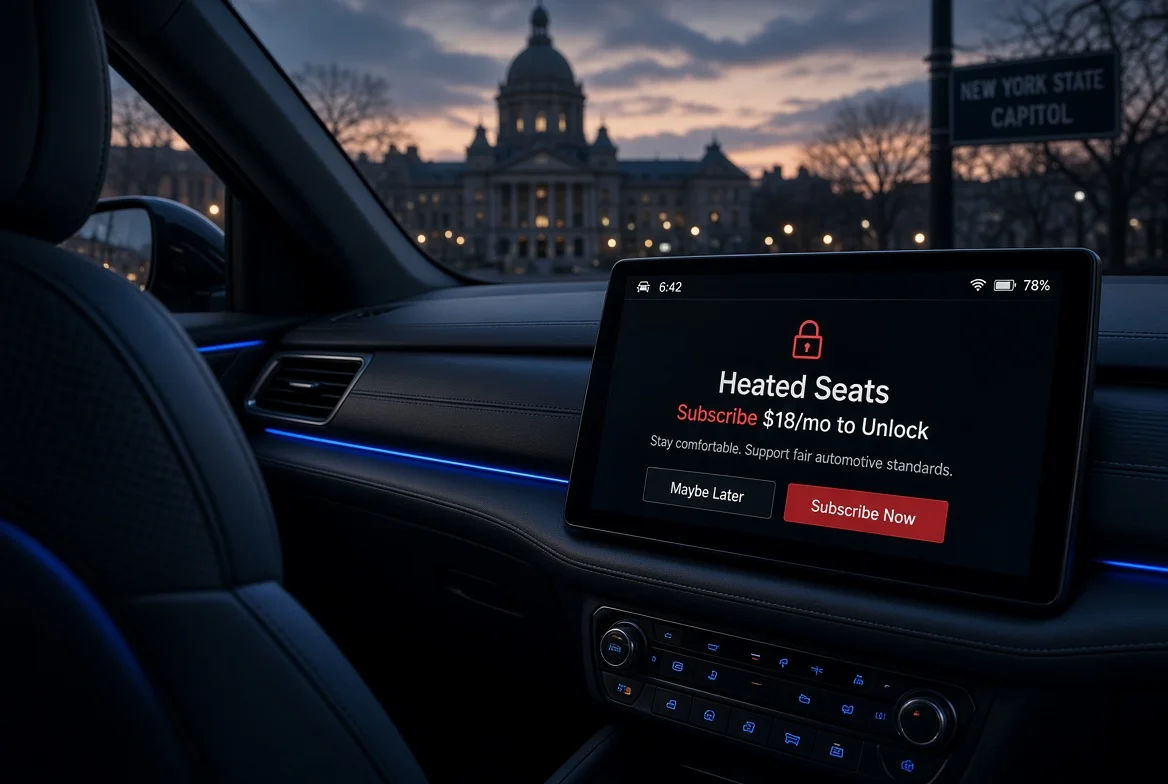
Is Help on the Way for Car Feature Subscriptions?
Last year, New York came closer than any other state to drawing a hard line against one of the most straightforward post-purchase annoyances in modern cars: charging recurring fees for hardware already installed at the factory.
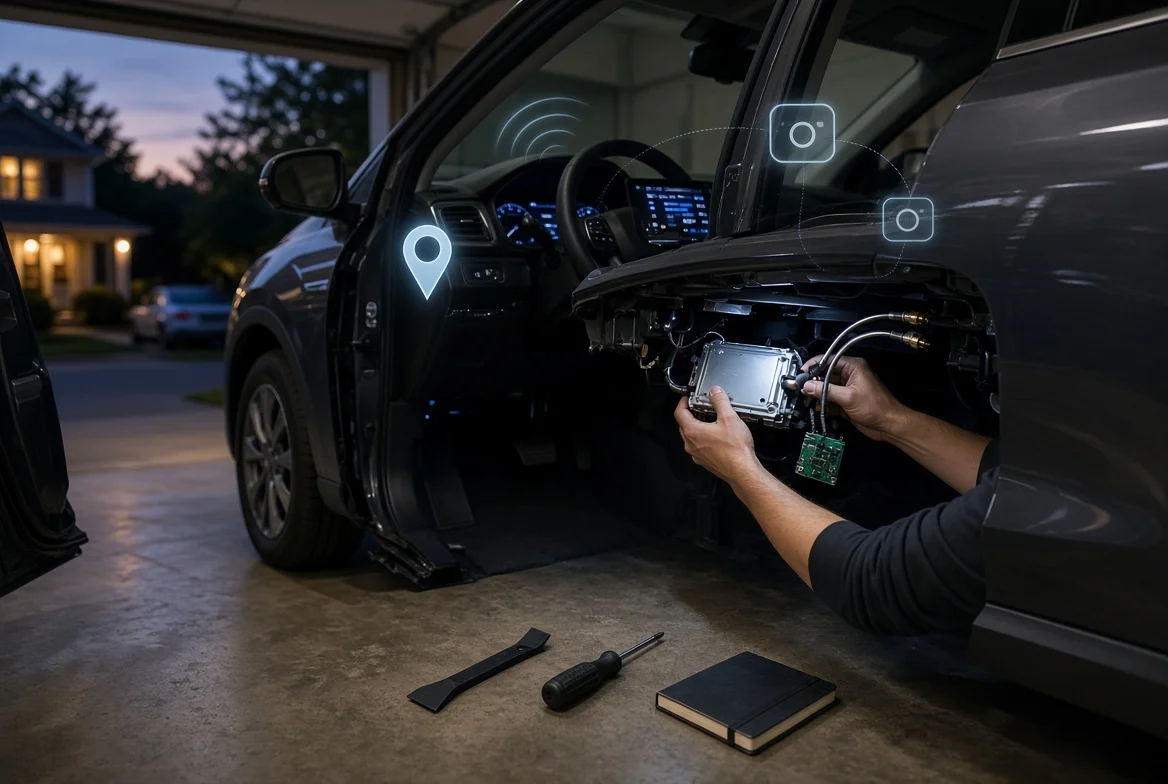
If You Care About Privacy and Subscriptions, Prepare to Get Under the Dash
Modern cars come loaded with features that used to be free or optional and are now locked behind monthly fees, always-on data collection, and systems that can’t easily be turned off. Location tracking, driving-behavior data, cabin cameras, and microphones are common. Heated seats, remote start, advanced driver-assistance functions, and even basic navigation can require ongoing subscriptions.